産地
- 地域: エチオピア
- 品種: 原生種(Heirloom)
- 精製方法: アナエロビックナチュラル
- 焙煎度: ミディアムロースト
- 標高: 1800-2100 meters
- サンプルロット:
- 生産者:
フレーバー:
ジャックフルーツ、発酵した酒のような香り、トロピカルフルーツ、
- 香り: 中程度
- クリーンカップ: 普通
- 甘み:中程度
- 酸味:中程度
- ボディ:中程度
- 苦味:普通
- 余韻:中程度
- 冷めた後:やや弱い
イルガチェフェ パイナップルオレンジコーヒー豆紹介:
Yirgacheffe pineapple citrus精製所:ビロヤ(Biloya)ウォッシュドステーション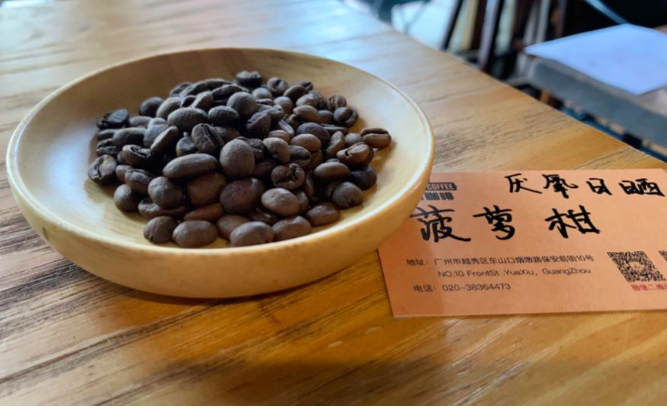
ビロヤ(Biloya)ウォッシュドステーションはエチオピアのイルガチェフェ、コチェレ地区にあり、この地区はコーヒー栽培に非常に適した標高を有し、20年以上の運営歴がある。各地域にもコーヒーウォッシュドステーションを擁し、豊富なコーヒー精製の経験を持つ。2001年に設立され、毎年211軒の小規模農家から約100万kgのコーヒーチェリーを加工している。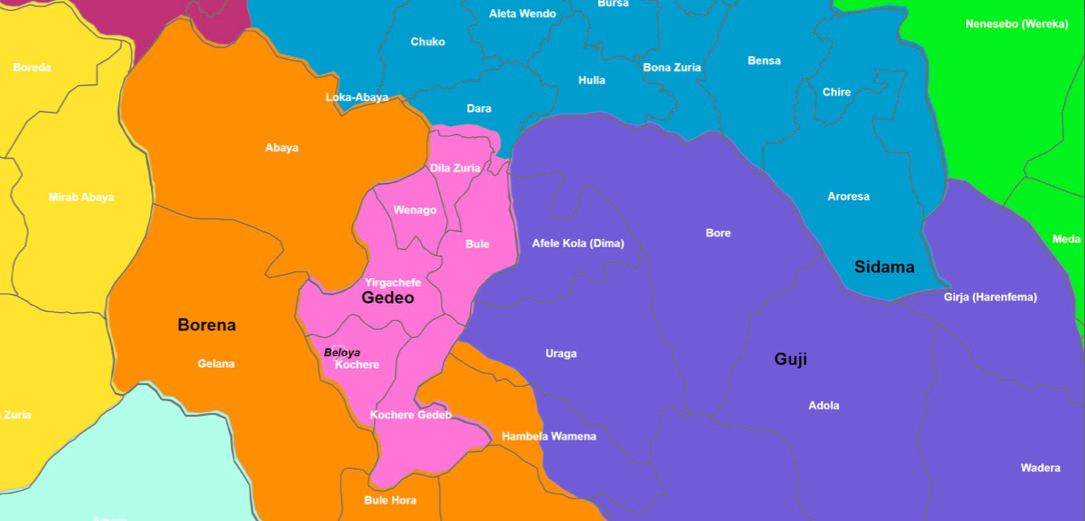
この豆は従来のナチュラルやウォッシュドとは異なり、アナエロビック発酵ナチュラルを採用している。通常、コーヒーチェリーを密閉容器に入れるか、ウォッシュドタンクに入れて水中で発酵させる。この過程で異なる微生物による発酵を行い、特殊なフレーバーを生み出す。発酵完了後にこれらのコーヒーチェリーを天日乾燥させる。①ステンレス容器(以前のコーヒー豆のフレーバーを吸着しない)にコーヒーチェリーを置くことで、フレーバーをよりクリーンにできる。②密閉環境で発酵させるため、各要素をコントロールしやすく、処理ごとのコーヒー豆がより均一になりやすく、また芳香物質が揮発しにくい。③無酸素環境で発酵させるため、フレーバーがよりまろやかになり、チーズやクリームのような香りを帯びやすい。④この方法を採用したコーヒー豆のフレーバーは、通常より豊かなボディと酒のような香りを持つ。
この豆は地元の在来品種である。エチオピアの品種はそのほとんどがこの名で呼ばれるが、実はエチオピアの品種が非常に多いためである。アラビカの天然の遺伝子庫のような存在で、一方では品種が多様で鑑定・分類が困難であり、一方でエチオピア政府は保護の観点からこれらの品種情報を公開したくもできもしないため、地元在来品種と命名されている。生豆は明らかに不均一な色をしており、嗅ぐと濃厚な青リンゴの香りと青草の香りがある。
炉温が摂氏180℃に達したら投入し、ダンパーを3、火力を120に設定。戻り点は1'36"、炉温140℃で火力はそのまま、ダンパーを4に開く。この時点で豆の表面が黄色に変わり、青草の香りが完全に消えて脱水段階に入る。176℃で火力を100に下げ、180℃でダンパーを5に開き、187℃で火力を70に下げ、192℃で火力をさらに30に下げ、ダンパーはそのまま維持する。<p style="white-space: normal; margin-top: 0px; margin-bottom: 0px; padding: 0px; max-width: 100%; clear: both; min-height: 1em; caret-color: rgb(51, 51, 51); color: rgb(51, 51, 51); font-family: -apple-system-font, BlinkMacSystemFont, " helvetica="" neue",="" "pingfang="" sc",="" "hiragino="" sans="" gb",="" "microsoft="" yahei="" ui",="" yahei",="" arial,="" sans-serif;="" font-size:="" 17px;="" letter-spacing:="" 0.5440000295639038px;="" text-align:="" center;="" box-sizing:="" border-box="" !important;="" word-wrap:="" break-word="" !important;"="">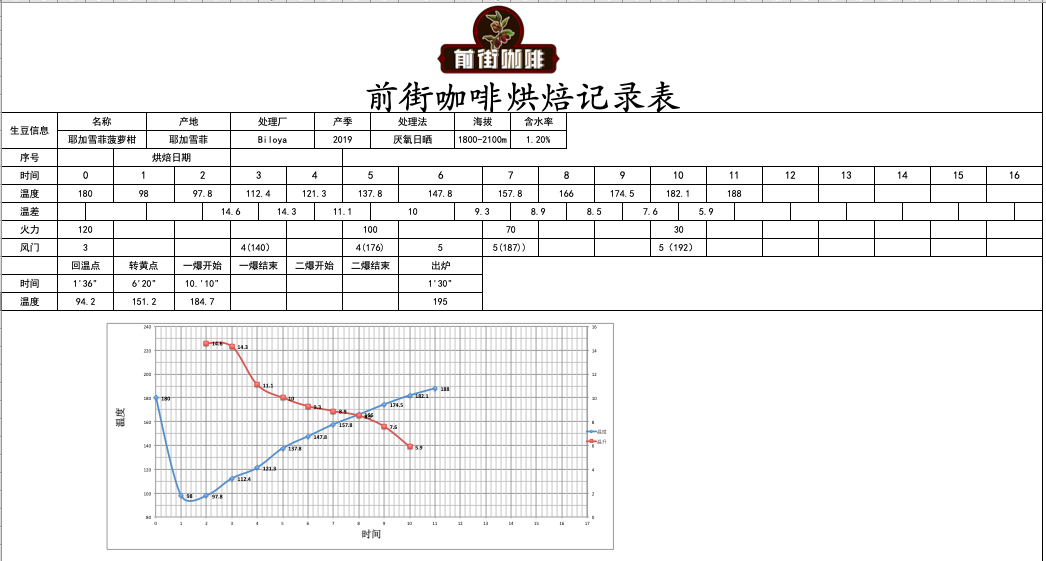
9'28"で豆の表面に醜いシワと黒い斑紋が現れ、焼きパンの香りが明らかにコーヒーの香りに変わり、ファーストクラックの前奏と定義できる。この時点でファーストクラックの爆裂音をはっきりと聞き取る必要があり、10'10"でファーストクラックが始まったら、ダンパーを5に調整する(火力の調整は非常に慎重に行い、爆裂音が聞こえなくなるほど小さくしてはならない)。ファーストクラック後1'30"発展させ、195℃で排出する。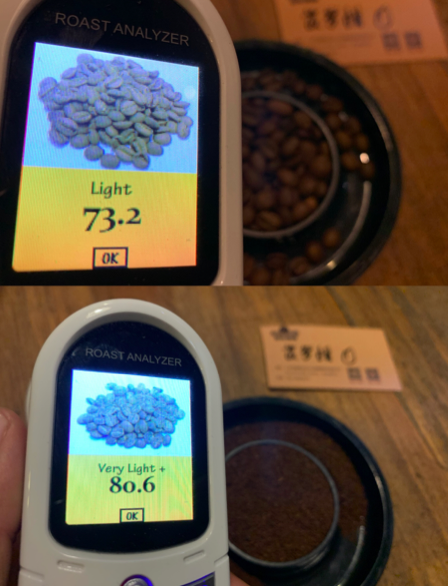

公式アカウントをフォローして送信全文を無料で読む
産地紹介:
Ethiopia is located in a land full of wonders, and all the Arabica coffees we have or have not tasted originate here.
Documented historical evidence of coffee in Ethiopia dates back to the 4th-5th centuries AD. At that time, due to wars between ethnic groups, coffee spread with people's conquests and migrations to Yemen on the Arabian Peninsula. Later, with the rise of the Ottoman Empire and the spread of Islam, through various circumstances, Europe began to have coffeehouses and the coffeehouse culture that gradually formed along with them. Subsequently, Central America began to cultivate coffee, and India and Indonesia in Asia began large-scale commercial coffee cultivation. Having gone through several hundred years in this way, we have only now arrived at today's third wave of specialty coffee.
抽出のヒント:
推奨抽出方法:ハンドドリップ⟦NL⟧ドリッパー:v60ドリッパー⟦NL⟧湯温:90-92℃⟦NL⟧粉量:15g⟦NL⟧粉水比:1:15⟦NL⟧挽き目:中細挽き(中国標準20号篩い網通過率80%)⟦NL⟧抽出手法:分割抽出⟦NL⟧⟦NL⟧30gの湯で蒸らし、蒸らし時間は約30秒。細い水流で中心を円を描くように注ぎ、125gの湯を注いだところで分割し、水位が下がって粉床が露出しそうになったら225gまで注いで終了。水位が下がって粉床が露出しそうになったらドリッパーを外す(蒸らし開始から計測)抽出時間は2'00"。⟦NL⟧