産地
- 地域: エチオピア
- 品種: 原生種(Heirloom)
- 精製方法: ナチュラル(日干し)
- 焙煎度: シナモンロースト
- 標高: 2125m
- サンプルロット:
- 生産者:
フレーバー:
香りには花とパッションフルーツのアロマがあり、口に含むとトロピカルフルーツ、シトラス、オレンジの風味が広がり、余韻にはシロップのような濃厚さと明らかな甘みの戻りがある。⟦NL⟧
- 香り: 中程度
- クリーンカップ: 中程度
- 甘み:中程度
- 酸味:中程度
- ボディ:中程度
- 苦味:普通
- 余韻:中程度
- 冷めた後:中程度
花魁3.1コーヒー豆紹介:
GuJi Hambella Natural G1
グジ・ハンベラ・花魁3.1
コーヒー産国:Ethiopiaエチオピア
コーヒー農園:MANSA山塘処理場
コーヒー品種:MANSA原種
生産標高:2125M
グレード:G1
精製方法:Natural ナチュラル(日干し)
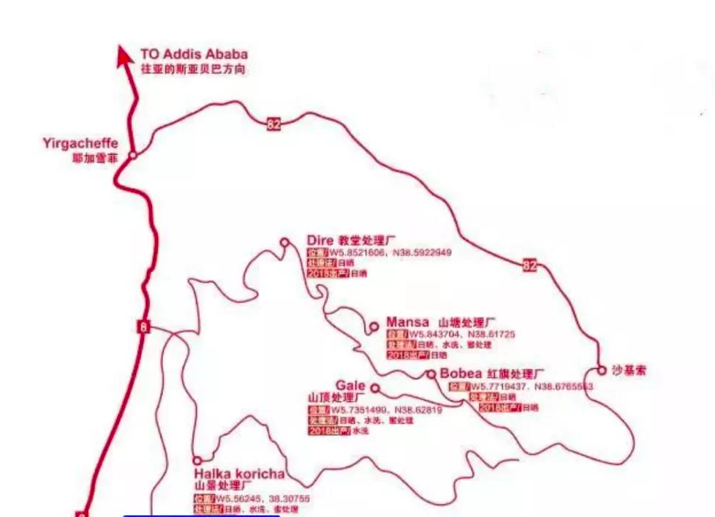
花魁(ファークイ)は、エチオピア最大のコーヒー産地であるグジ(GUJI)のハンベラ(Hambella)に位置し、行政上はオロミア州に属する。ハンベラの西部は山を隔ててイガチェフェのコチョレ(kochore)と向かい合い、東・南・北はそれぞれグジのシャキソ(shakiso)、ウラガ(Uraga)、ケルチャ(Kercha)のサブ産地に接している。エチオピアで最も標高の高いコーヒー・サブ産地である(ハラールはエチオピアで最も標高の高い主産地にあたる)。現在、ハンベラ産地には各種規模の処理場が約20軒あり、ハンベラ核心産地には4つの農園処理場がある。それぞれ"Dire"教会処理場、"mansa" 山塘処理場、"Bobea"紅旗処理場、"Goro baessa"山泉処理場である。本日のこの花魁3.1は、ハンベラ核心産地の4つの農園処理場のうち"mansa" 山塘処理場のものだ。
花魁の受賞歴
2016/2017収穫シーズンにEthiopia National Taste of Harvest Competition(エチオピア・コーヒー・コンペティション)で優勝
2017 Regional Africa Taste of Harvest Competition(アフリカ・コーヒー生豆コンペティション)で準優勝。
花魁という名前はどうやって生まれたのか?
2017年、エチオピアのDW生豆会社がアフリカ・コーヒー協会主催のTOH(the Taste Of Harvest)に自社のコーヒー豆を出品し、ナチュラル(日干し)ロットが一挙にTOHエチオピアの優勝を獲得した。このロットの生豆は、優勝の栄誉を冠して「花魁」と命名された。
花魁(ファークイ)は、エチオピア最大のコーヒー産地であるグジ(GUJI)のハンベラ(Hambella)に位置し、行政上はオロミア州に属する。ハンベラの西部は山を隔ててイガチェフェのコチョレ(kochore)と向かい合い、東・南・北はそれぞれグジのシャキソ(shakiso)、ウラガ(Uraga)、ケルチャ(Kercha)のサブ産地に接している。エチオピアで最も標高の高いコーヒー・サブ産地である(ハラールはエチオピアで最も標高の高い主産地にあたる)。
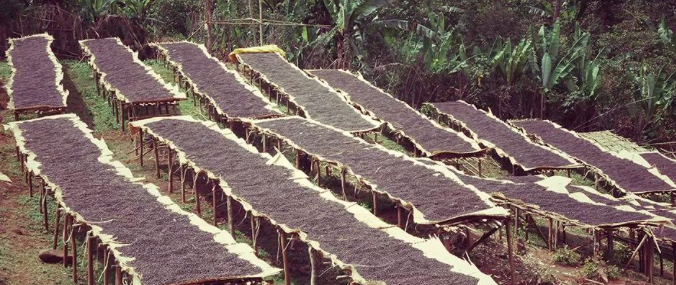
2016年、「花魁」は発売されるや否や消費者の人気を集めた。この4年間、花魁2.0、花魁3.0の登場とともに、花魁シリーズは快進撃を続け、Le Bunnaの「看板商品」となり、市場で模倣される対象ともなった。コーヒーのフレーバーを決定づける二大自然要因である樹種と微気候は、エチオピアのコーヒー山間部に根ざすLe Bunnaが探求し続けてきたテーマである。2017年からは「エチオピア原種探索計画」を開始し、エチオピア原種という神秘的な遺伝子の宝庫の探究に乗り出した。 2018年末にリリースされた花魁2.0は、グジ・ハンベラ(GUJI HAMBELLA)の山頂で対称的に育つコーヒーの木から生まれ、それによってよりクリーンで際立った産地のフレーバーを実現した。同時に、エチオピアの各産地を奔走し、山間部のコーヒーの生育形態や精製方法を調査し続けた。その中の一つの発見が、私たちになじみ深いグジ・ハンベラ産地の、山あいのくぼ地にあるMANSA地区に、新しく整然と並ぶコーヒー林があり、実るコーヒーチェリーが大きく甘く、近隣の「小粒」コーヒー豆とは大きく異なるというものだった。そこで山あいのくぼ地にMANSA山塘処理場を投資・建設し、この大粒コーヒーの精製テストを開始し、2018年初頭に実験的なマイクロロット「夢幻マンサ」をリリースしたところ、国内のコーヒー業界関係者から高いフレーバー評価を得た。そして今年、ナチュラル(日干し)のmansa大ロット商品を正式にリリースするにあたり、珈農である老李の匠の心を受け継ぐものとして「花魁3.1」と命名した。MANSA原種は、各地を調査する中で、2000年以降に植えられた新しい樹林であることが判明した。エチオピア政府の主導のもと、Jimma Coffee Research Center(ジマ国立コーヒー研究センター)がカファのゲシャ山にある原生の「大粒」コーヒー樹種を厳選し、MANSA地区で育苗して、雨季前にMANSA地区の珈農に無償で配布し植えさせ、地元の野生の老木コーヒー樹を置き換えたものだ。【花魁】は完全に熟した真っ赤なコーヒーチェリーのみを選び、すべて手摘みで収穫。アフリカ式の棚で天日乾燥させ、果実層の厚さを限定し、24時間絶え間なく定時に攪拌し、農園ならではの自然環境の中で低温発酵させる。
収穫・精製の季節(12月〜1月)には、その独特な生育環境と自然気候が花魁独特のフレーバーを生み出す。摘んだチェリーの糖度が30以上になってから天日乾燥処理を開始する。乾燥の最初の2日間はチェリーの湿度を保ち、果糖を十分に発酵反応させる。同時に、標高の高い地理位置により、処理場の夜間温度は約12℃まで下がり、気温が高すぎて過度の発酵臭が発生することもない。正午に気温が高くなる時は遮光し、チェリーの日焼けを防ぐ。

公式アカウントをフォローして送信全文を無料で読む
産地紹介:
Ethiopia is located in a land full of wonders, and all the Arabica coffees we have or have not tasted originate here.
Documented historical evidence of coffee in Ethiopia dates back to the 4th-5th centuries AD. At that time, due to wars between ethnic groups, coffee spread with people's conquests and migrations to Yemen on the Arabian Peninsula. Later, with the rise of the Ottoman Empire and the spread of Islam, through various circumstances, Europe began to have coffeehouses and the coffeehouse culture that gradually formed along with them. Subsequently, Central America began to cultivate coffee, and India and Indonesia in Asia began large-scale commercial coffee cultivation. Having gone through several hundred years in this way, we have only now arrived at today's third wave of specialty coffee.
抽出のヒント:
推奨抽出方法:ハンドドリップ⟦NL⟧ドリッパー:v60ドリッパー⟦NL⟧湯温:90-92℃⟦NL⟧粉量:15g⟦NL⟧粉水比:1:15⟦NL⟧挽き目:中細挽き(中国標準20号ふるい通過率80%)⟦NL⟧抽出法:分割抽出⟦NL⟧⟦NL⟧30gの湯で蒸らし、蒸らし時間は約30秒。細い水流で中心を回しながら125gの湯を注いで分割し、水位が下がって粉床が見えかけたら再び注湯し、225gで終了。水位が下がって粉床が見えかけたらドリッパーを外す(蒸らし開始から計時)。抽出時間は2'00"。⟦NL⟧